Assessing How the Agricultural Building Will Be Used
Begin by identifying the building’s primary function. A machinery shed needs unobstructed access and impact-resistant components, while a crop store may place greater emphasis on weather protection and controlled ventilation. Workshops, livestock buildings and feed stores each present different requirements.
The frequency and pattern of access should then be examined. A door opened twice a week has different operating demands from one used repeatedly during harvest. Traffic direction, peak seasonal use and the number of vehicles arriving at once can influence the door style and control method.
Consider the activities performed immediately inside the entrance. Maintenance work may require good lighting and protection from draughts, whereas loading operations may benefit from rapid opening and clear sightlines. Stored goods positioned near the opening may need additional protection from rain or wind-blown debris.
Future use should be included in the assessment. Larger machinery, a change in crop handling or conversion of a store into a workshop could make a narrowly specified opening unsuitable. Providing sensible capacity for foreseeable changes can be more economical than replacing the complete door later.
Measuring the Opening and Available Installation Space
Measure the structural opening at several points because agricultural buildings are not always perfectly square. Record the width at the top, middle and bottom and the height at both sides and the centre. The smallest relevant measurement may determine the available clearance.
The surrounding installation space is just as important as the opening itself. Sectional doors require headroom and track space, roller shutters need room for a barrel and curtain coil, and sliding doors need clear wall space beside the opening. Roof members, lighting, pipes and conveyors can restrict these areas.
The floor level and threshold should be inspected for slopes, channels and surface damage. An uneven threshold can prevent the bottom seal from making continuous contact. Standing water or accumulated debris may also affect operation, so drainage and cleaning practices should be considered.
Measurements should relate to the largest vehicle or machine that must pass through. Allowance is needed for mirrors, attachments, raised cabs, exhausts and loads, not simply the nominal width of the tractor. Additional clearance reduces collision risk and makes access easier in poor weather or low light.
Comparing Roller Shutter, Sectional and Sliding Doors
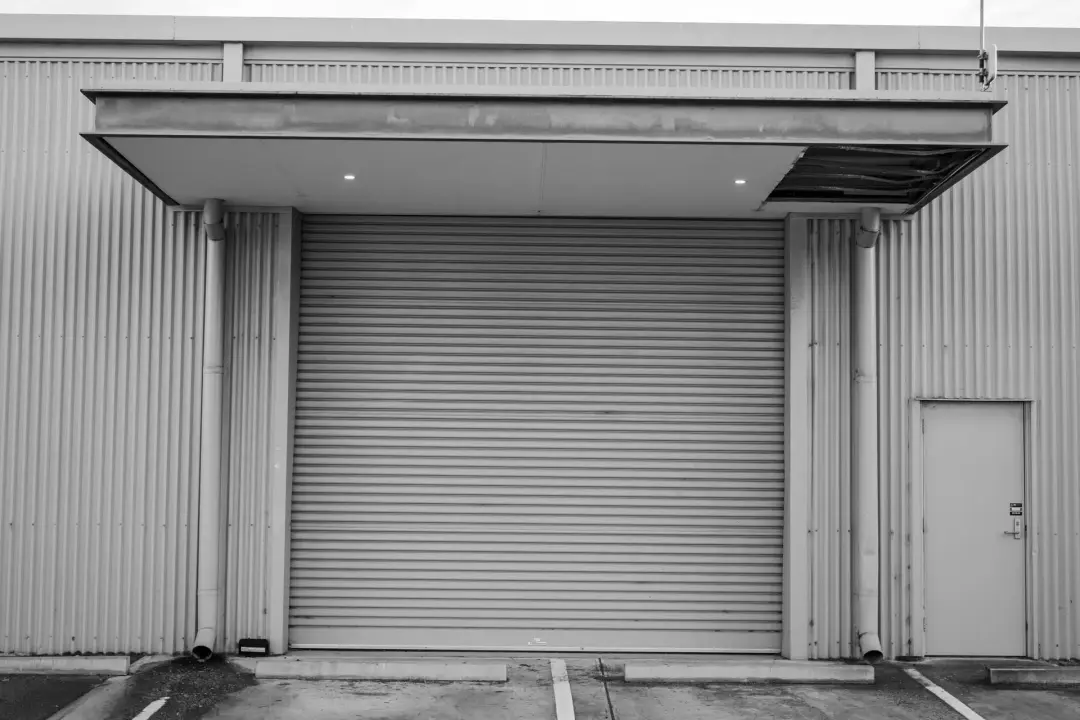
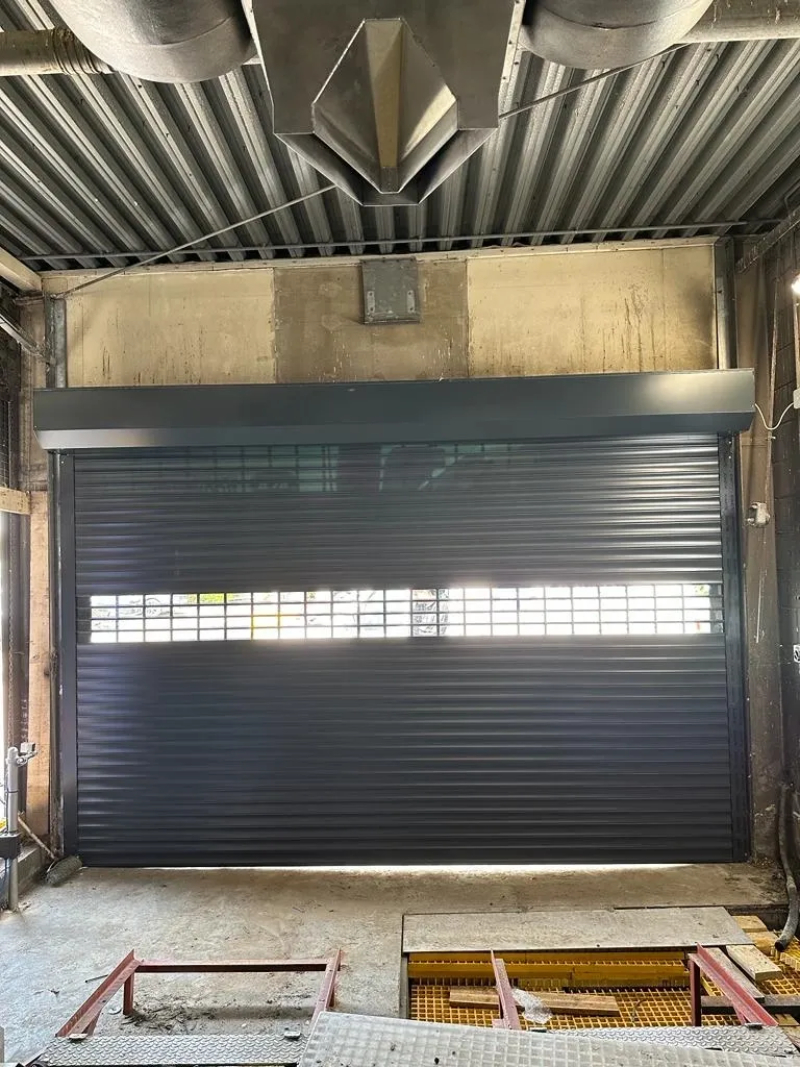
Roller shutter doors use interlocking slats or a flexible curtain that coils above the opening. They occupy relatively little space and can provide strong security, making them useful where headroom is available but internal roof tracks would be inconvenient. Insulated versions are available, although performance varies with construction.
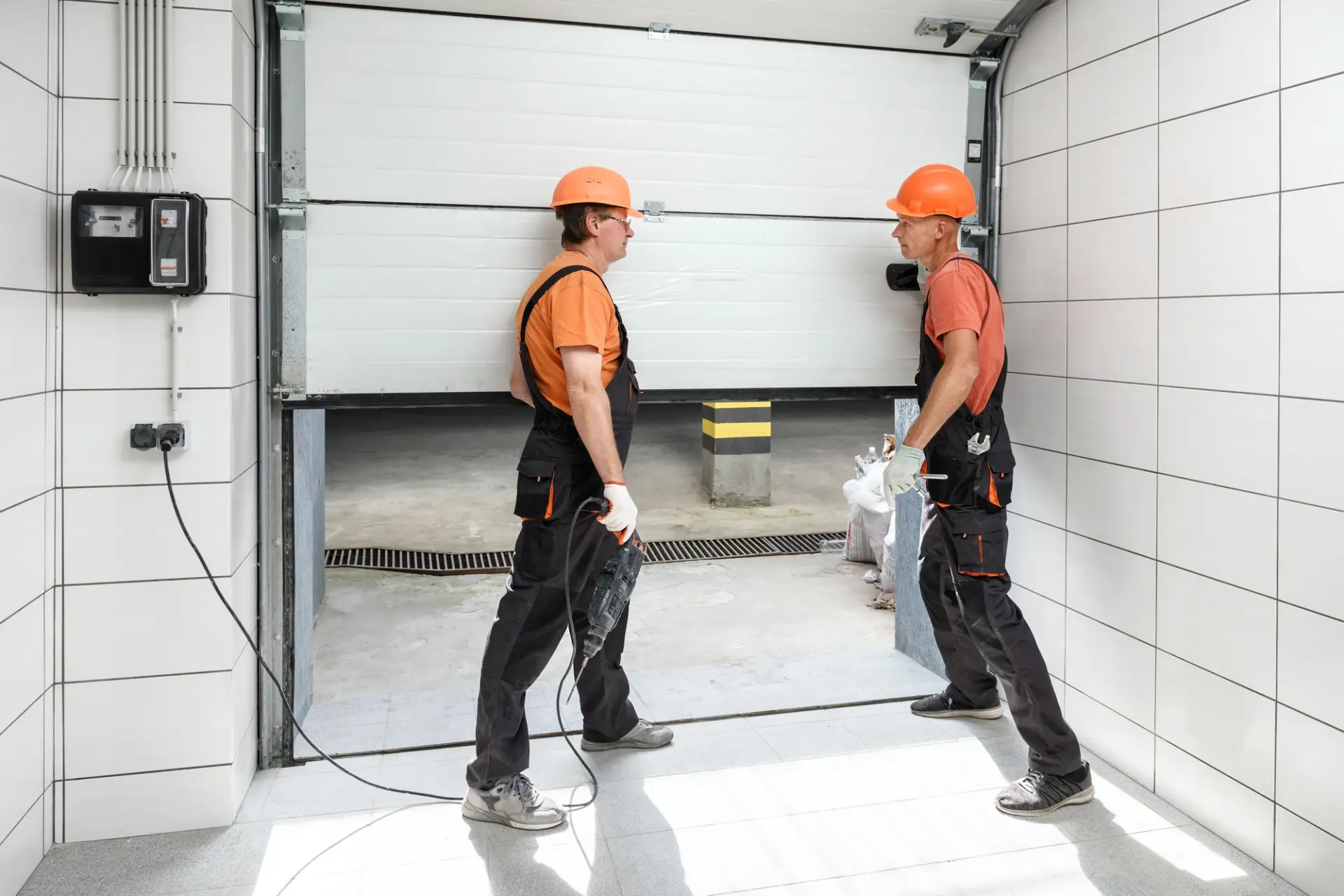
Sectional doors consist of horizontal panels that move vertically and then travel overhead or follow the roof line. They can provide effective insulation, good sealing and smooth powered operation. However, their tracks and supporting components require suitable space within the building.
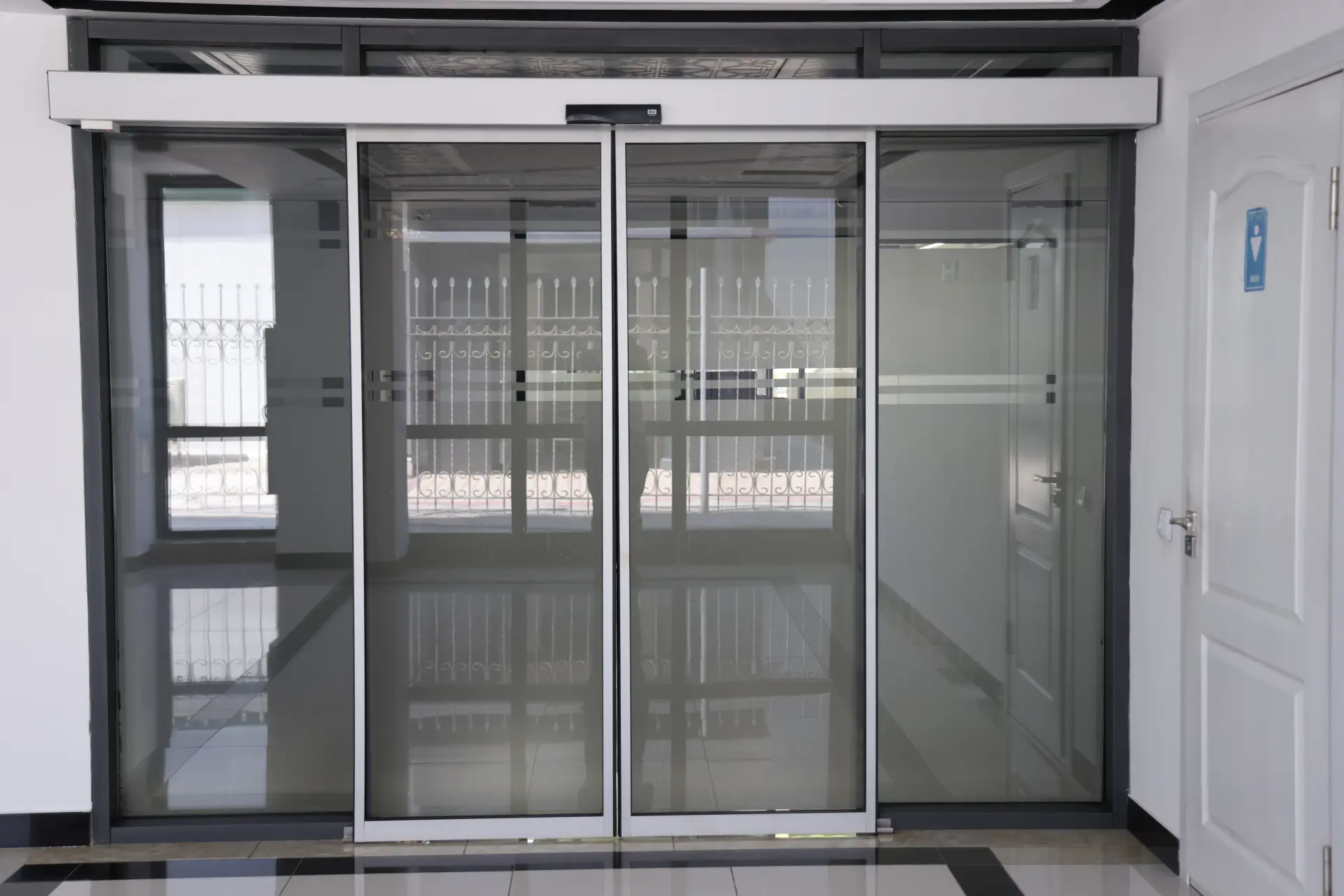
Sliding doors move horizontally along a wall-mounted track. They can be simple, robust and suitable for very large openings, with no ceiling track extending into the building. They require sufficient clear wall area beside the doorway and may be less airtight unless carefully designed and sealed.
The right choice depends on more than appearance. Buyers should compare usable clearance, insulation, wind resistance, maintenance needs, manual effort, automation options and available installation space. Site conditions and working routines should determine the decision rather than a general assumption that one type is always best.
Choosing a Door for Barns, Workshops and Machinery Stores
Barn doors need to suit the animals, materials or equipment housed inside. Livestock environments require ventilation and surfaces that tolerate moisture and cleaning. Door hardware should be positioned to reduce the chance of animals contacting or damaging moving components.
A workshop door should support frequent access while maintaining a comfortable working environment. Insulated sectional doors can be suitable where heating is used, while vision panels may improve daylight and allow users to check whether the entrance is clear before opening it.
Machinery stores often prioritise wide access and security. The door should allow awkward equipment to enter without repeated manoeuvring and should close securely around the entire perimeter. Strong locking and protected guides help defend valuable machinery when the building is unattended.
Buildings with multiple functions may need a combined solution. A large powered door can serve machinery, while a separate personnel entrance reduces the need to open the main doorway for every visit. This arrangement can limit wear, improve convenience and reduce weather entering the building.
Allowing Access for Tractors and Other Large Equipment
Door dimensions should be based on the farm’s largest complete operating configuration. A tractor may become substantially wider when fitted with dual wheels and taller when carrying certain implements. Combine harvesters, telehandlers and sprayers may impose even greater clearance requirements.
Approach geometry can be as important as the opening width. Vehicles turning into a doorway from a narrow yard may need additional lateral clearance. Posts, walls, gutters, stored materials and changes in ground level can restrict the path even if the measured opening appears adequate.
Vertical clearance must account for roof-mounted lights, beacons, exhausts, folded booms and raised attachments. Operators should not need to rely on extremely narrow tolerances, particularly when equipment moves over uneven ground. A visible height marker can help prevent accidental collisions.
The doorway should provide a suitable view of people and obstacles. Lighting, contrasting frame edges and vision panels can improve awareness, while physical barriers can protect guides and controls from vehicle impact. Locating switches where the operator can use them safely also contributes to efficient movement.
Protecting Crops, Feed and Equipment From the Weather
A door must resist the weather conditions experienced at its specific elevation. Prevailing wind, driving rain and drifting snow can affect one side of a building more severely than another. Wind-resistant construction and dependable fixing points are especially important across large openings.
Perimeter and bottom seals help keep out rain, dust and wind-blown debris. The threshold should direct water away from the interior, and external drainage must remain clear. A good door seal cannot overcome water that is allowed to pond directly against the opening.
Stored crops and feed may be damaged by moisture or rapid changes in environmental conditions. Weather ingress can encourage mould, spoil packaging and make floors unsafe. The door should therefore be coordinated with the building’s roof, wall cladding and moisture-management strategy.
Farm equipment also benefits from a dry storage environment. Persistent condensation and water entry can promote corrosion in machinery, electrical components and tools. Where temperature differences are significant, insulation and planned ventilation can work together to control both external weather and internally generated moisture.
Ventilation and Temperature-Control Considerations
Agricultural buildings often require ventilation even when weather protection is important. Livestock produce heat and moisture, stored crops may release moisture, and machinery can generate fumes. The door should not be treated as the building’s only ventilation method unless that approach has been deliberately designed.
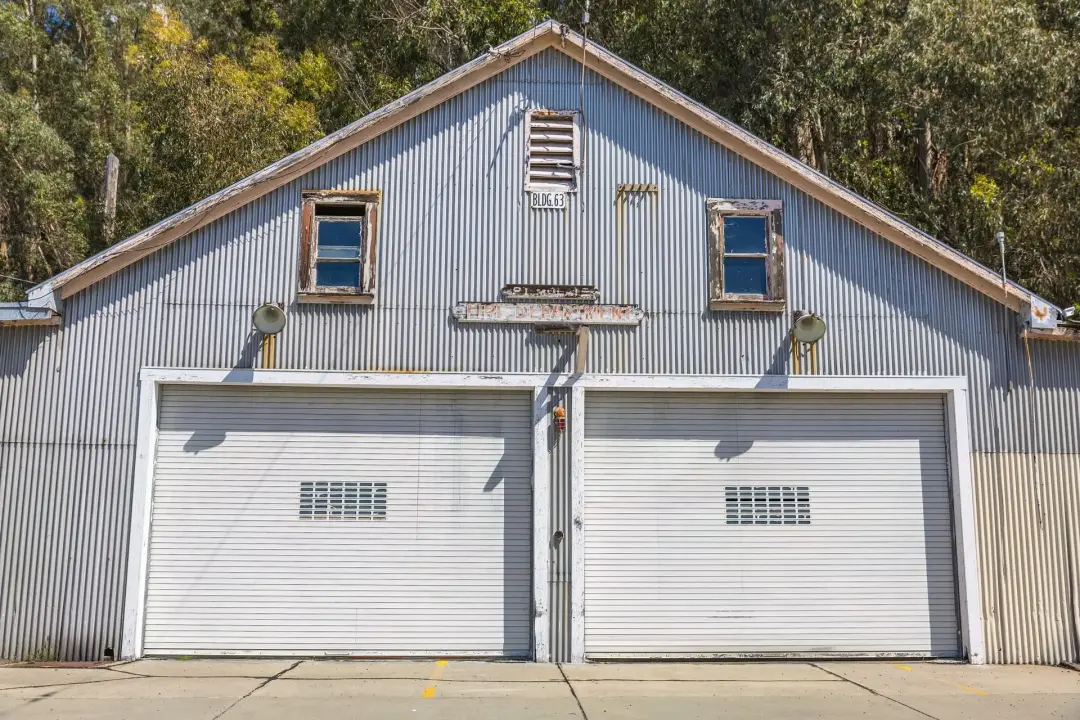
Ventilated door sections, louvres or perforated components may be appropriate for certain uses. Their free area and location should correspond with the airflow required. Adding uncontrolled openings can admit rain, pests or wind, so ventilation features need to be selected with local exposure in mind.
Temperature-controlled crop, produce or equipment stores may benefit from insulated doors with effective perimeter seals. The thermal performance should be suitable for the target temperature and expected outdoor conditions. Frequent opening must also be considered because air exchange can outweigh heat transfer through the closed door.
Natural and mechanical ventilation systems should be coordinated with door operation. Strong extraction can draw air through gaps, while pressure differences may make large manual doors difficult to move. A balanced design provides planned air inlets and outlets instead of relying on leakage around the doorway.
Security Features for Valuable Machinery and Supplies
Agricultural buildings often contain high-value machinery, fuel, tools, chemicals and harvested products. Their remote locations can increase vulnerability, particularly when doors are hidden from public view. The door should provide resistance appropriate to the assets and the site’s wider security risks.
Locks should be robust, accessible to authorised users and protected against obvious attack. Depending on the door type, suitable measures may include internal locking bars, secure bottom rails, protected padlocks or motor controls that hold the door closed. Exposed fasteners should not make panels easy to remove.
Security also depends on the surrounding structure. A strong door fitted to weak cladding or deteriorated timber may not protect the building effectively. Frames, fixings and adjacent wall materials should form a connected barrier rather than leaving an easier route beside the door.
Electronic measures can supplement physical protection. Access-controlled transmitters, door-position monitoring, alarms, cameras and lighting may improve detection and accountability. Automated systems should use controlled credentials so that lost transmitters or former users do not retain indefinite access.
Selecting Durable Materials for Agricultural Environments
Agricultural atmospheres can be highly corrosive. Moisture, animal waste, fertilisers, silage and cleaning chemicals may attack unprotected metals. Material selection should reflect the actual substances present and the frequency with which surfaces are washed.
Galvanised or suitably coated steel is widely used because it combines strength with practical durability. The quality of the coating, treatment of cut edges and suitability of fasteners all affect service life. Stainless steel or specialist finishes may be justified in particularly aggressive areas.
Door components must also tolerate dust and debris. Tracks, guides, rollers and sensors can malfunction if contaminants accumulate around them. Designs that are accessible for cleaning and maintenance are valuable in grain stores, workshops and other dusty environments.
Impact resistance deserves attention wherever vehicles, livestock or loose materials can contact the door. Protective posts can shield vulnerable guides, motors and controls. If damage does occur, systems with replaceable panels or individual components may be easier and less expensive to restore.
Manual Versus Automated Agricultural Door Operation
Manual doors can be economical and straightforward for smaller openings with limited use. They avoid reliance on electrical power and may be suitable for remote stores visited only occasionally. The door must nevertheless be balanced and light enough to operate safely without excessive physical effort.
Automation becomes attractive as door size, weight and operating frequency increase. A powered system allows operators to open the entrance without leaving a vehicle, which can save time during poor weather and busy periods. It can also promote full opening, reducing the temptation to squeeze machinery through a partially open doorway.
The power supply and control arrangement must suit the site. Remote transmitters, keypad access, vehicle detection and wall controls offer different levels of convenience and security. Manual release provisions are important so the door can be operated or secured during a power failure.
Safety should guide the final choice. Powered doors may require obstruction detection, safety edges, photocells and correctly positioned controls, while manual doors need reliable restraints and counterbalancing. Professional installation, user instruction and scheduled maintenance are essential for both operating methods.
KGC Doors specialises in the supply, installation, and maintenance of high-quality doors for businesses across Wolverhampton, Birmingham, Derby and the Midlands. We have years of experience and can provide secure, durable, and energy-efficient doors tailored to your business.