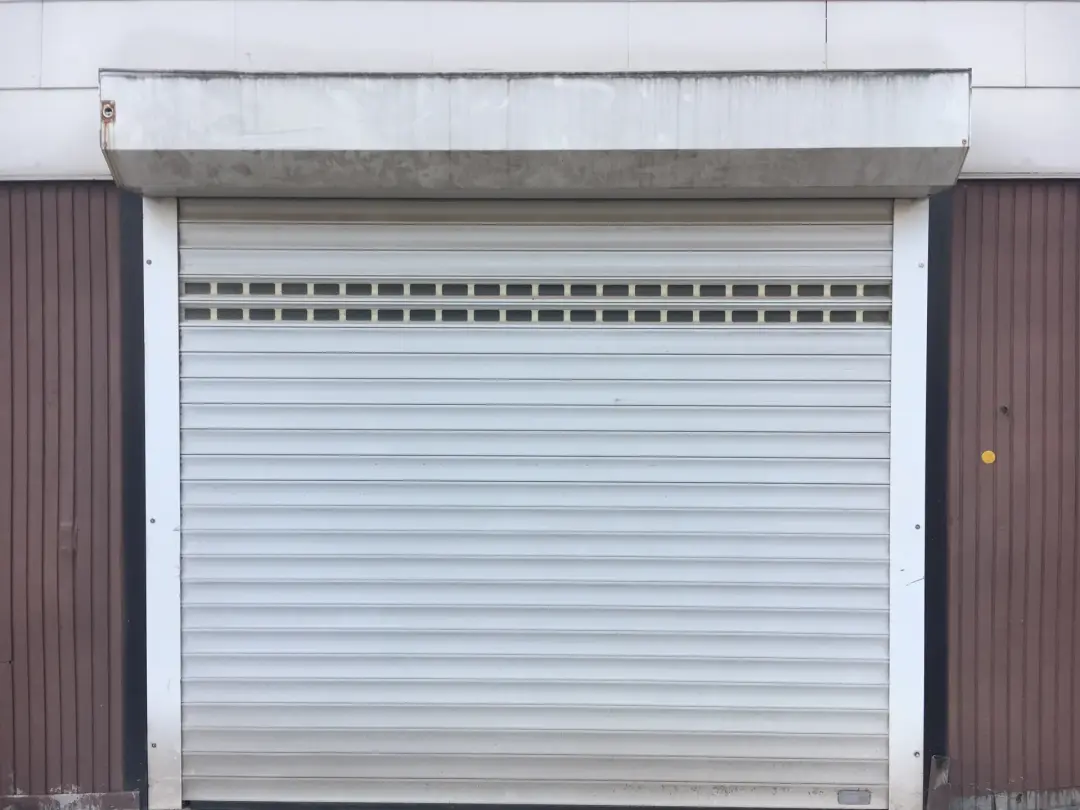
Common roller shutter problems include jamming, uneven movement, damaged slats, faulty controls and locks that no longer engage. They can interrupt deliveries and leave a building difficult to secure. If a powered shutter behaves unexpectedly, keep people clear and stop using it until a competent technician has assessed the fault.
A shutter that sticks or rises unevenly
Dirt or damage in a side guide can make the curtain drag. A bent slat may catch as the door rises, while a curtain that has shifted out of alignment can lift on one side. These faults often become more pronounced with each cycle. Forcing the door can damage the guides, barrel or drive and make the eventual repair larger.
Note where the shutter sticks and whether the problem occurs on opening, closing or both. If there has been a vehicle strike, tell the repairer even if the damage appears minor. Do not stand beneath a door that is crooked or partly supported while trying to free it.
Motor and control faults
An electric shutter may fail to respond because of a power-supply issue, damaged switch, remote-control fault, failed motor or incorrect travel limit. The symptom alone does not identify the cause. A technician should check the electrical and mechanical parts together, then test the full opening and closing movement after repair.
If a safety edge or other protective device is stopping the door, bypassing it is not an acceptable shortcut. It may be responding to an obstruction or may itself need repair. Keep the opening safe and arrange diagnosis rather than repeatedly commanding the shutter to move.
Unusual noise and vibration
Grinding, scraping or repeated banging can indicate wear, loose components or poor alignment. A sudden change is more useful diagnostically than a door that has always sounded the same. Record when the noise occurs and whether it changes with weather or load. If the curtain shakes, moves unevenly or appears to leave its guides, stop operation.
A visual check from a safe position can reveal debris, bent slats or obvious damage. Springs, the barrel and powered components should be left to trained people because they can store or apply substantial force.
Locks, seals and finish damage
A lock that has become hard to engage may be damaged, or the curtain may no longer reach its proper closing position. Do not treat a partly closed door as secure. Torn seals can allow draughts and water into the building, while coating damage can expose metal to corrosion. Small surface defects are easier to address before they spread, but the cause of repeated impact or rubbing should also be fixed.
Why prompt repair matters
The issue is broader than lost trading time. In HSE's 2024/25 figures, employers reported 59,219 non-fatal employee injuries under RIDDOR, and 10% of those reports were categorised as being struck by a moving object. These are workplace-wide figures, not roller shutter incident counts. They underline why moving equipment deserves careful attention when it is faulty. Source: HSE, Non-fatal injuries at work in Great Britain.
What to do when the door fails out of hours
First, keep staff and visitors away from a door that is unstable, partly open or moving unexpectedly. If the opening cannot be secured, follow your site's security procedure and arrange an emergency repair. Photograph visible damage from a safe position and note when the fault began, but do not remove covers or try to adjust a spring. Tell the repairer whether the door protects stock, blocks a vehicle route or affects an exit. Those details help prioritise a safe temporary arrangement and the right parts.
Separate an operating fault from a damaged opening
A door that will not move may have an electrical fault, but the curtain may also be physically obstructed. Before arranging a call-out, staff can note whether nearby equipment has power, whether the control responds at all and whether there is visible damage, without touching moving or electrical parts. That information helps a technician arrive prepared. It does not replace an inspection.
If a shutter works in one direction but not the other, the fault could involve a control, travel limit or safety device. If it closes but does not lock, the closing position or locking parts may need attention. Similar symptoms can have different causes, so changing a setting without diagnosing the door may hide the problem temporarily and leave it unsafe.
Watch for signs after a vehicle impact
Even a low-speed contact with a forklift or delivery vehicle can bend a bottom rail or move a guide. The door may continue to operate at first, then begin scraping or jamming as the damage worsens. Record the impact and arrange a check before assuming normal movement means the shutter is sound. Look from a safe position for changes to the frame, fixings and floor threshold.
Where impacts recur, investigate the traffic route. Marking a stopping point, improving visibility or adding suitable protection to the opening may reduce future damage. Replacing a bent component without addressing repeated collisions can lead to the same repair again.
Know which tasks staff can do
Staff can keep the area around the door clear, report new noise, note damage and follow the manufacturer's cleaning instructions. They should not attempt to release a jammed curtain by force, adjust springs, remove motor covers or bypass protective devices. Those tasks can expose people to stored mechanical force or unexpected movement.
A planned service should include a record of observed wear and any corrective work. If the technician advises that a component is unsafe, agree how the opening will be kept secure and how staff will enter and leave until the repair is complete. The handover should make clear when the shutter may return to normal use.
Reduce the chance of repeat breakdowns
Keep the guides clear, follow the manufacturer's cleaning guidance and ask staff to report changes in movement or sound. A service plan should reflect how often the door is used, its exposure and any history of impact damage. HSE says powered doors and gates need maintenance because parts can wear and fail. Source: HSE, Ensuring powered doors and gates are safe.
KGC Doors repairs damaged shutters, motors, controls, locks and tracks, and offers maintenance across Wolverhampton and the Midlands. See its service for support. Arrange a Wolverhampton shutter inspection. roller shutter doors Wolverhampton