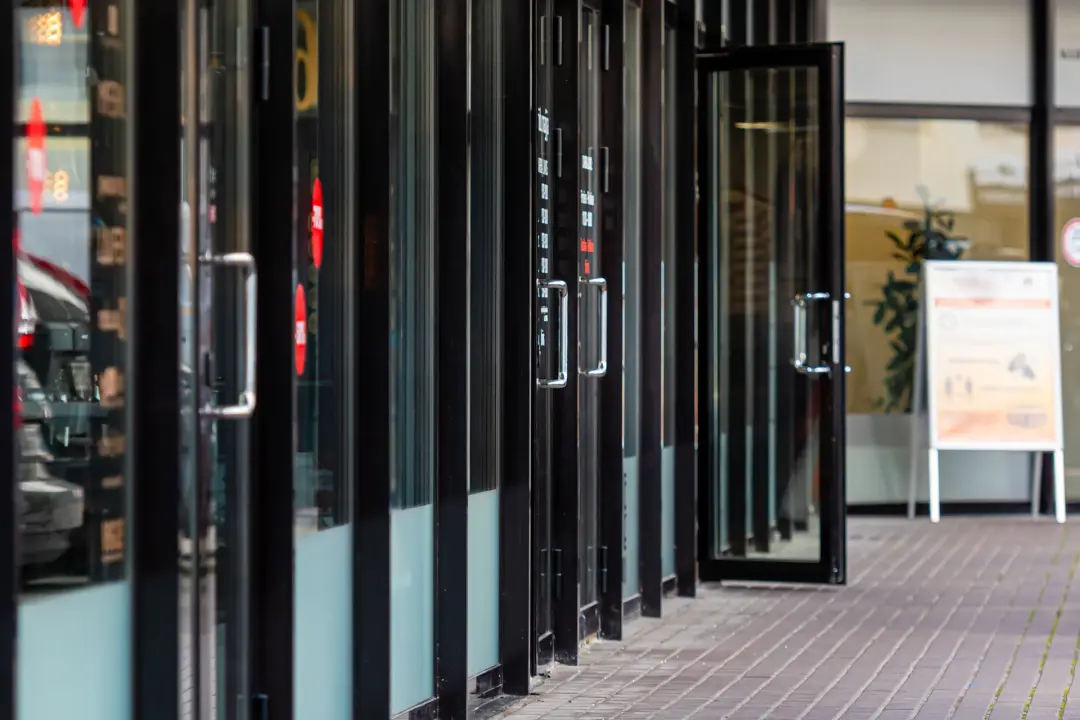
Discover how Automated Doors Can Improve Customer Experience by enhancing accessibility, reducing wait times, and creating a modern, welcoming entrance for your business.
The entrance to your business plays a key role in how your customers, visitors, and staff experience the building. A smooth, safe, and easy way in can create a positive first impression, and automated doors support this by improving your access, reducing delays, helping with hygiene, and making moving around easier for everyone.
Why Customer Experience Matters at Every Entrance
The entrance is the first part of a building that customers, visitors, patients, or guests use, so it can shape how they feel about the building straight away. A door that's hard to open, slow to use, or difficult to manage while you're holding bags, pushchairs, wheelchairs, or mobility aids can make you feel frustrated before you even enter the building.
Automated doors open at the right time, reduce the need for physical effort, and help people move in and out with ease. This can be especially helpful in busy shops, offices, hospitals, hotels, schools, and public buildings where many people will enter and exit throughout the day. Additionally, because people don't need to touch the door, automated systems can reduce hand contact in shared spaces and improve foot traffic during busy periods.
Creating a Smooth First Impression
Automated doors can help create a good first impression by making the entrance modern, welcoming and easy to use. In retail spaces, automated doors make it easier for shoppers to enter with bags, trolleys, prams, or mobility aids. This helps the shop feel more open and simple to use.
In hotels and restaurants, automated doors can make guests feel welcome as soon as they arrive, especially when they're carrying luggage or walking in groups. For offices and commercial buildings, automated doors can create a smart and professional look. They can help staff, clients, and visitors move in and out seamlessly, which can make the business feel organised.
In healthcare settings, such as clinics, dental practices, hospitals and care homes, automated doors are ideal for helping people with limited mobility, and they also reduce the need to touch shared surfaces.

Improving Access for All Customers
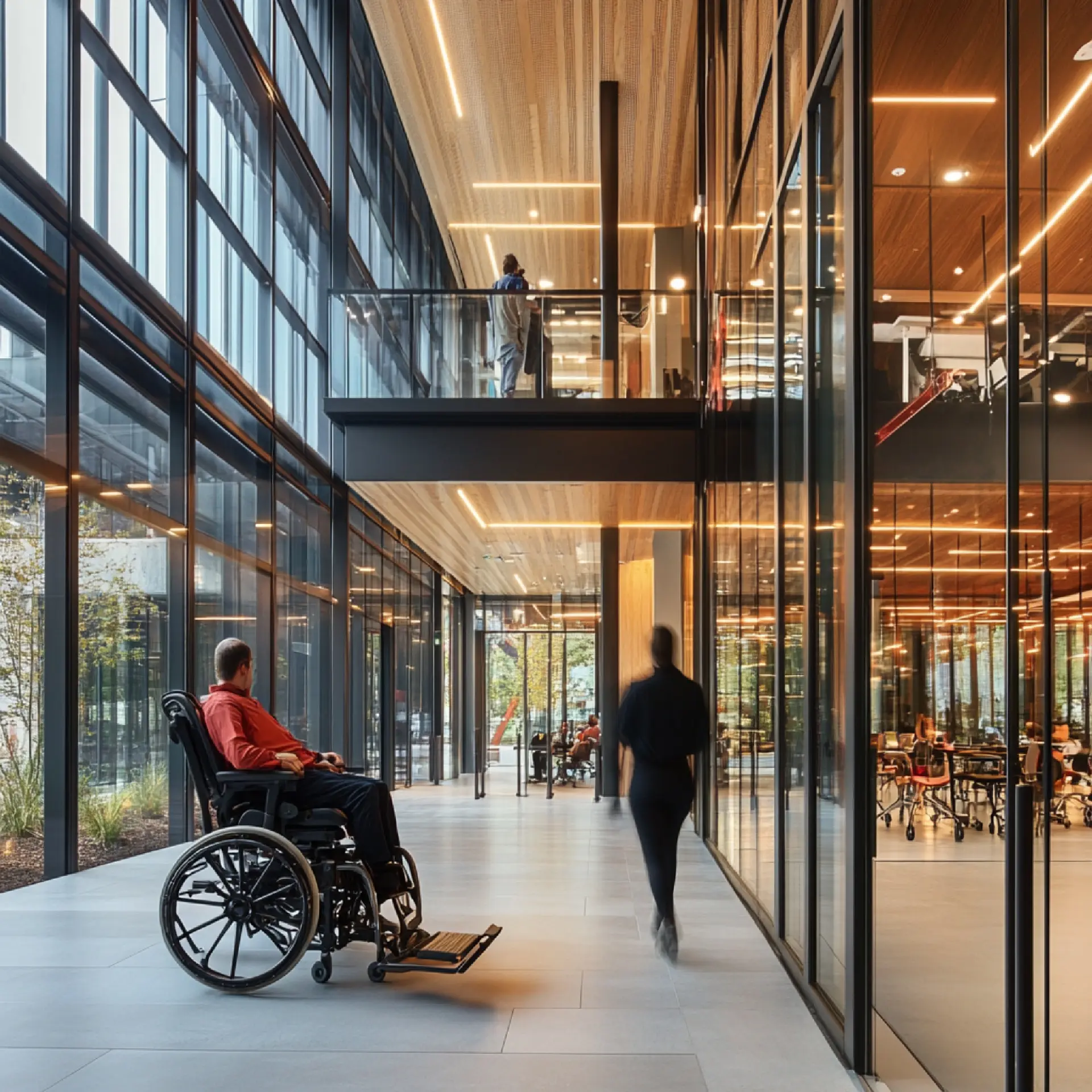
A clear and easy-to-use entrance can help people enter and exit without needing to push, pull, or hold a heavy door open. This is especially useful for wheelchair users, people with walking aids, the elderly, parents with pushchairs, or customers carrying bags or heavy equipment.
Having good access isn't just about meeting basic needs; it's about helping people feel welcome and respected from the moment they arrive. When an entrance opens smoothly, visitors don't need to struggle or ask for help, which can make them feel more relaxed and comfortable.
Automated doors are also helpful in busy areas such as shops, offices, healthcare centres, hotels, schools, and public buildings. This is because they keep people moving, reduce delays, and make it easier for groups to pass through safely.
Reducing Waiting Times at Busy Entrances
Automated doors can help reduce waiting times by allowing people to move in and out more easily. In places with high foot traffic, such as shops, hospitals, offices, hotels, schools, and public buildings, manual doors can slow people down. Visitors may need to stop, pull the door open, hold it for others, or wait while people pass through.
With automated doors, the entrance will open up as people approach it. This can help keep people moving and reduce the risk of crowding around the doorway. For businesses that see many visitors come and go each day, this can make the whole building feel more organised and easier to use. Automated doors are also useful when people are carrying bags, pushing prams, using wheelchairs, or moving equipment, since they don't need to struggle with the door handle or wait for someone else to come and help.
Making Shops and Offices Feel More Welcoming
Automated doors can help customers enter and exit a building without having to stop, pull a handle, or manage a heavy door. This is useful for people carrying heavy shopping bags, pushing prams, using wheelchairs, or using walking aids. Automated doors also create a more open feel, which can encourage people to step inside your shop and browse.
In offices, automated doors can make the building look more professional and organised. Clients, staff, and visitors can move through the entrance easily, which can help the reception area feel calmer and well-managed. This is especially helpful during busy times, such as the start of your working day or when meetings are taking place.
Helping Customers Move Around Safely
In busy shops, offices, hotels, healthcare centres, and public buildings, people often enter and exit at the same time. This is where manual doors can cause delays, sudden stops, or crowding, especially when customers are carrying bags, pushing prams, using wheelchairs, or walking with support. With automated doors, customers don't need to pull, push, or hold a door open.
Instead, the door simply opens when someone approaches it, which helps keep people moving at a steady pace. This can reduce the risk of trips, bumps, falls, or people getting caught in the doorway. It also gives customers more space to pass through, which is important in busy areas. Many automated doors are also fitted with safety sensors to help stop the door from closing when someone is in the way.
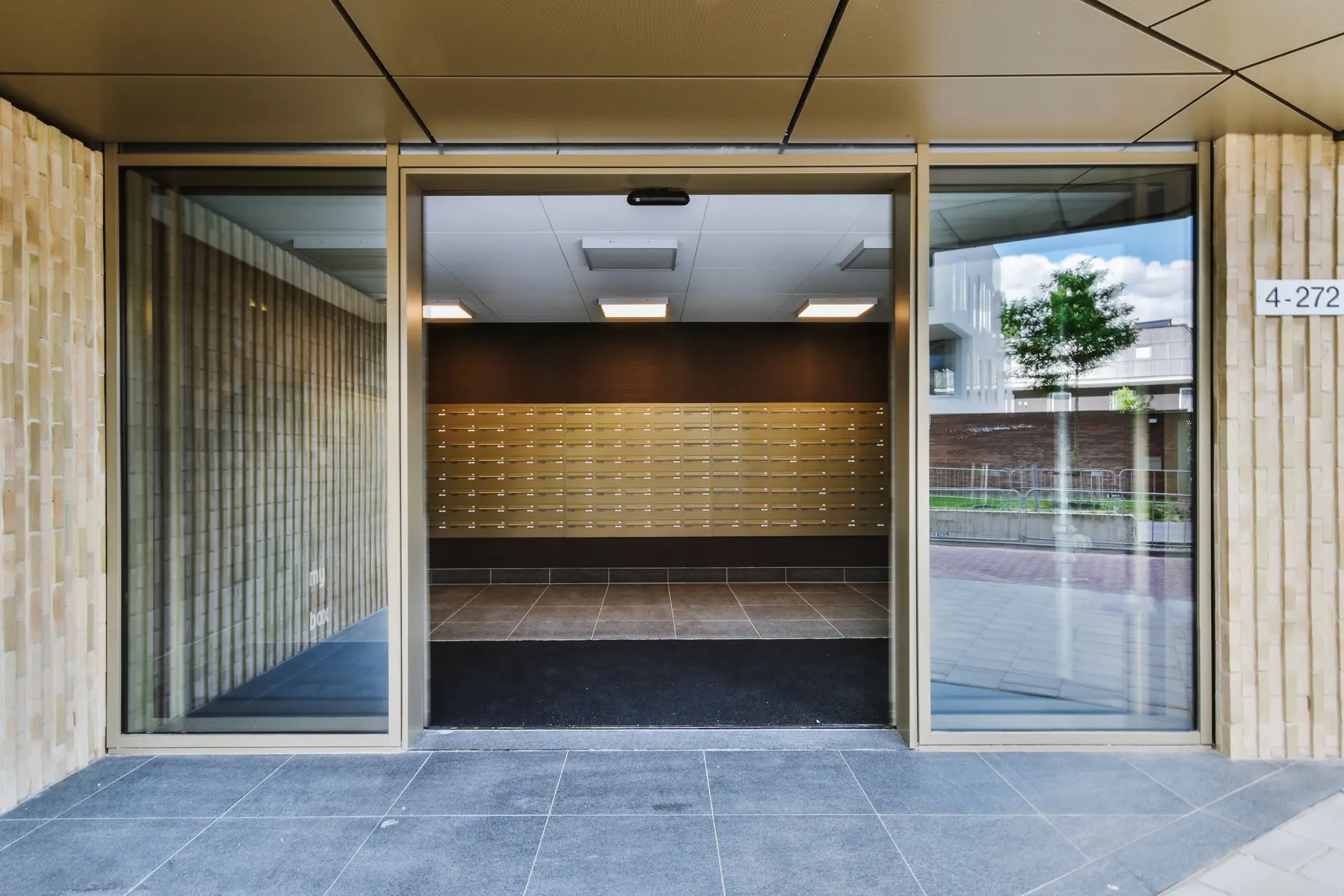
Supporting Hygiene with Touch-Free Entry
In busy buildings, many customers, visitors, and staff may use the same entrance throughout the day, and each touch point can collect dirt and germs.
Touch-free doors can be especially useful in places where hygiene is important, such as healthcare centres, dental practices, care homes, restaurants, offices, shops, schools, and public buildings, since people can move through the building without needing to place their hands on the door or make contact with shared surfaces.
Automated doors can also support staff who are carrying equipment, food, or supplies since they can simply pass through without putting the items down or touching the door. For customers, touch-free access can make a building feel safer, more modern, and more welcoming.
Saving Energy While Keeping Customers Comfortable
When a manual door is left open, warm air can escape during winter, and cool air can escape during summer. This can make your building less comfortable and increase your heating or cooling costs. Automated doors help control this problem since they only open when someone approaches the door and close as soon as they pass through. This helps reduce draughts and keeps your indoor temperature more stable.
Reducing Stress for Staff and Visitors
Automated doors can reduce stress for staff and visitors by making entrances easier to use and manage. A manual door can sometimes become a problem, especially if it's heavy, awkward to use, or if it's used by lots of people all at once. With automated doors, visitors can enter and exit without needing to push, pull, or wait for help.
These doors are especially useful for older visitors, disabled customers, parents with young children, and people carrying heavy items. Your staff can also benefit from automated doors since they won't need to keep helping people with the door or dealing with queues at the entrance. This gives them more time to focus on their work and customer service.
Building Trust Through Safe and Reliable Access
When an entrance opens and closes smoothly, people may feel more confident about using the space. This is because they don't need to struggle with heavy doors, wait for help, or worry about getting through safely with bags, prams, wheelchairs, or walking aids. Having reliable access is important in many settings, such as shops, offices, hospitals, hotels, schools, and public buildings, since visitors expect to be able to move in and out with ease.
Many automated systems also include sensors to prevent the doors from closing when someone is passing through, which adds another level of safety to your building. For staff, automated doors can make their daily operations easier to manage by keeping their access clear and reducing the need to help visitors at the entrance. Over time, this can help create a building that feels organised, welcoming and dependable.
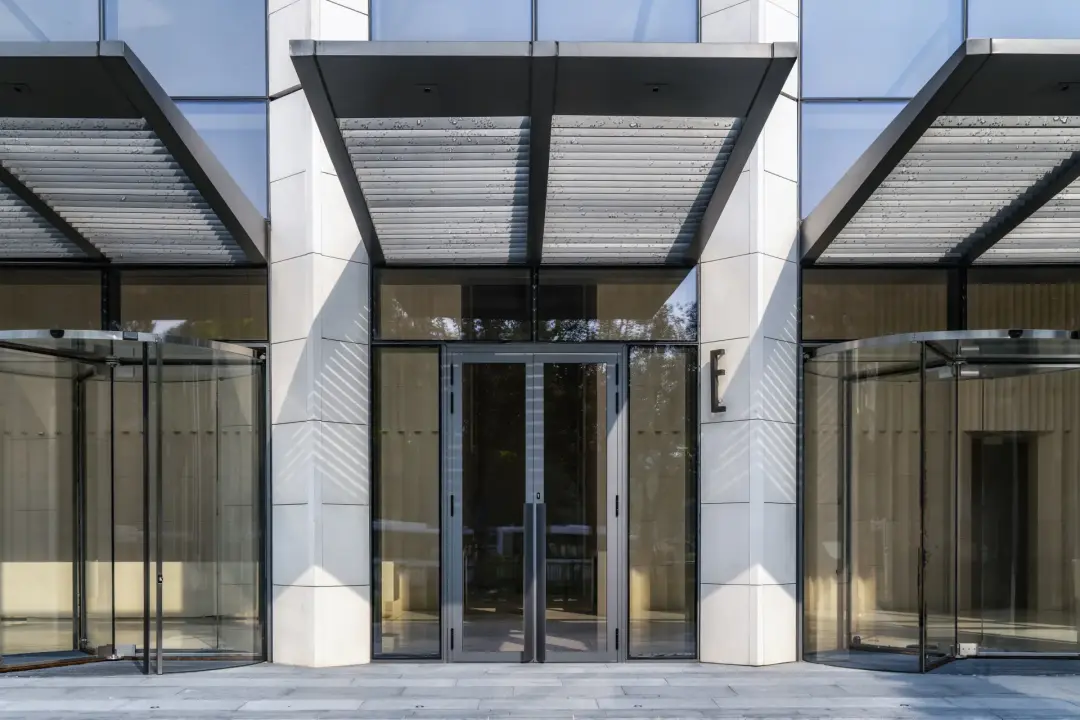
Choosing the Right Automated Door for Your Business
Choosing the right automated door system for your business is important because every building has different needs. A busy shop may need doors that open quickly and can manage a steady flow of customers. An office may need a smart door system that looks professional and works well with security systems. Healthcare settings may need wide, easy-access doors for wheelchairs, beds, or people with limited mobility.
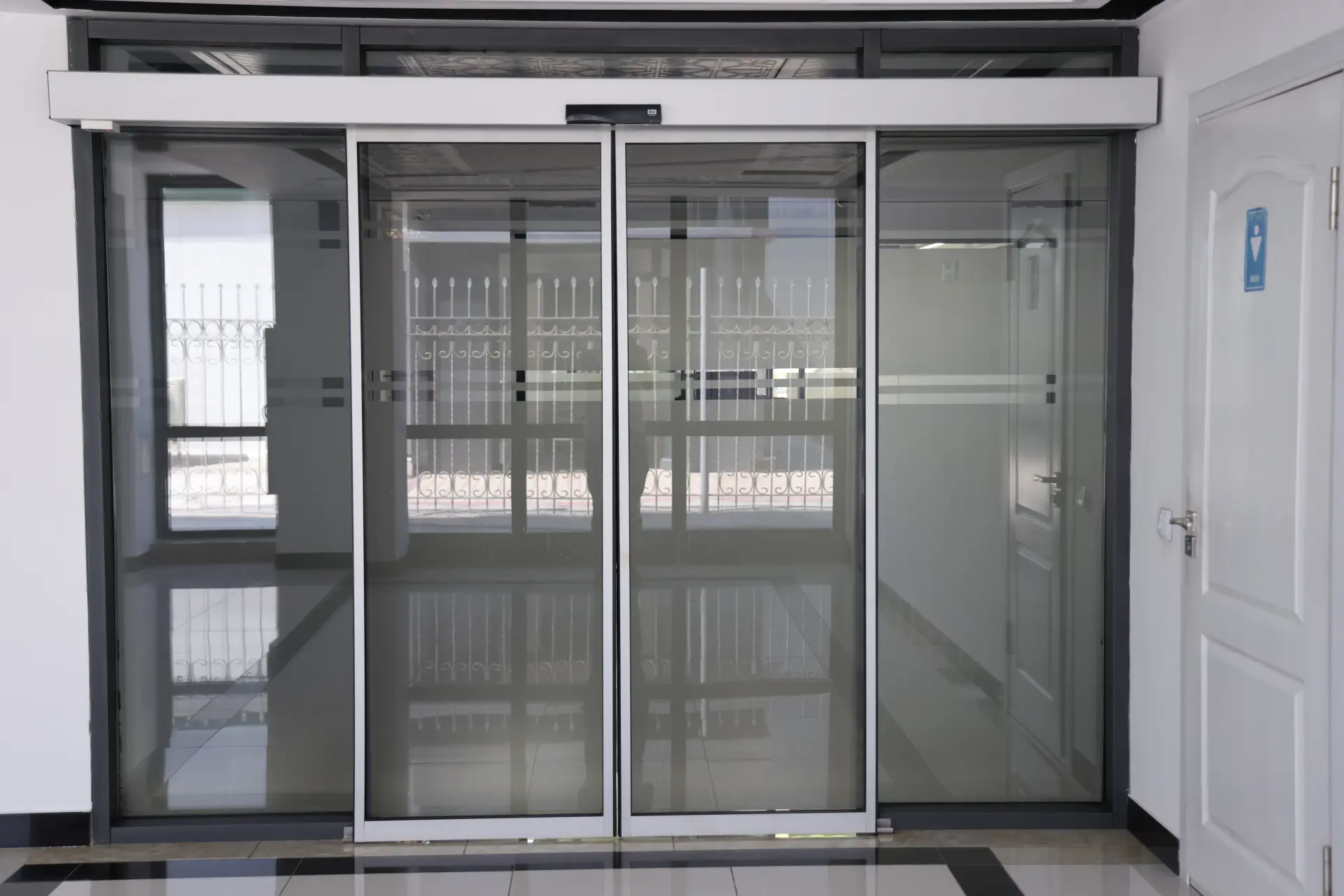
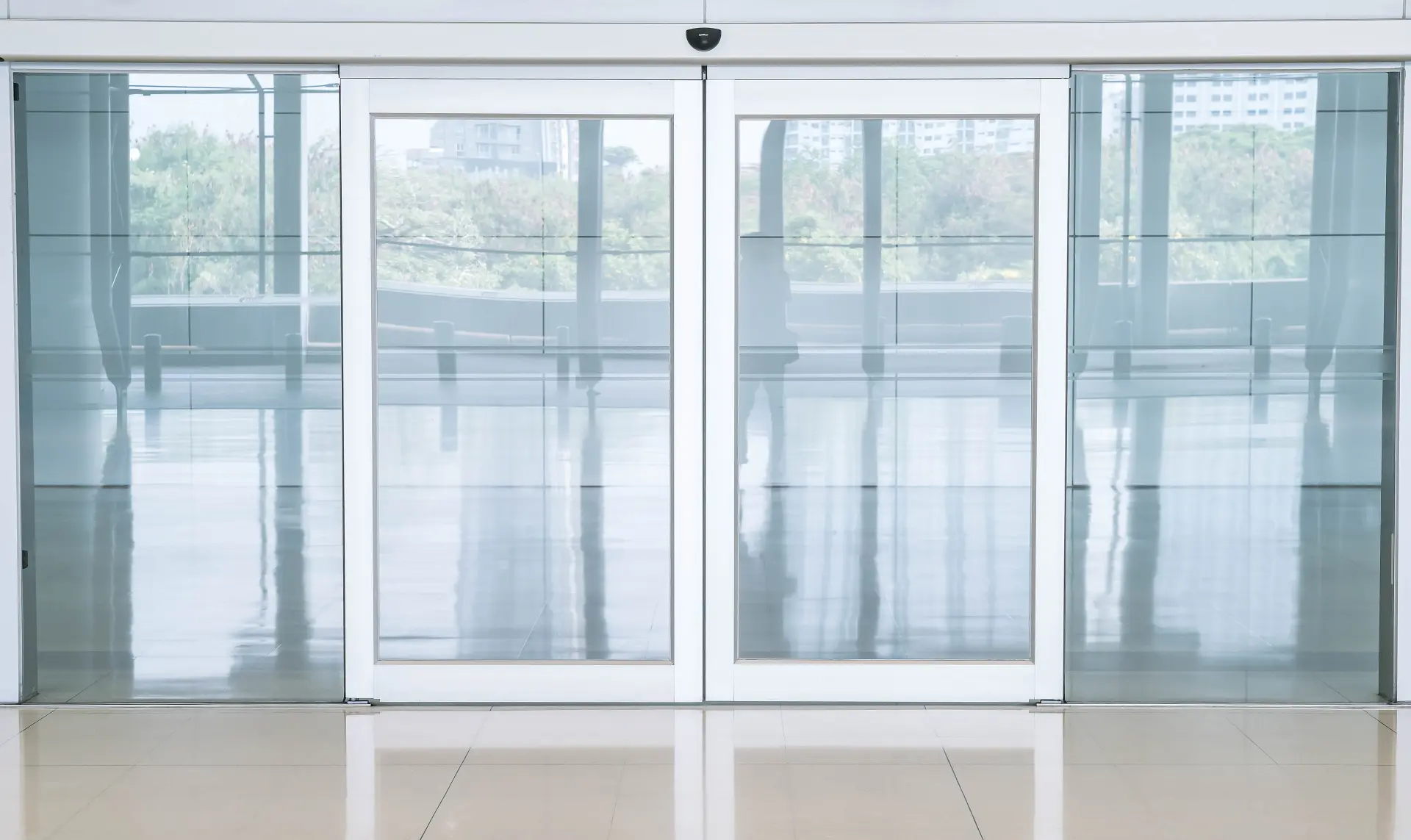
Sliding doors are typically a good choice for buildings with limited space, while swing doors are better for buildings with a strict layout. Revolving doors can help control draughts and support a stable indoor temperature in larger buildings. It's also important to think about how many people will use the doorway, the size of the doorway, the building's design, and any access needs your customers may have.
KGC Doors provides professional automated door services in Birmingham to help businesses improve their access, safety, and customer service. From shops and offices to healthcare and public buildings, we provide tailored automated systems that are ideal for improving your access, hygiene and energy efficiency.