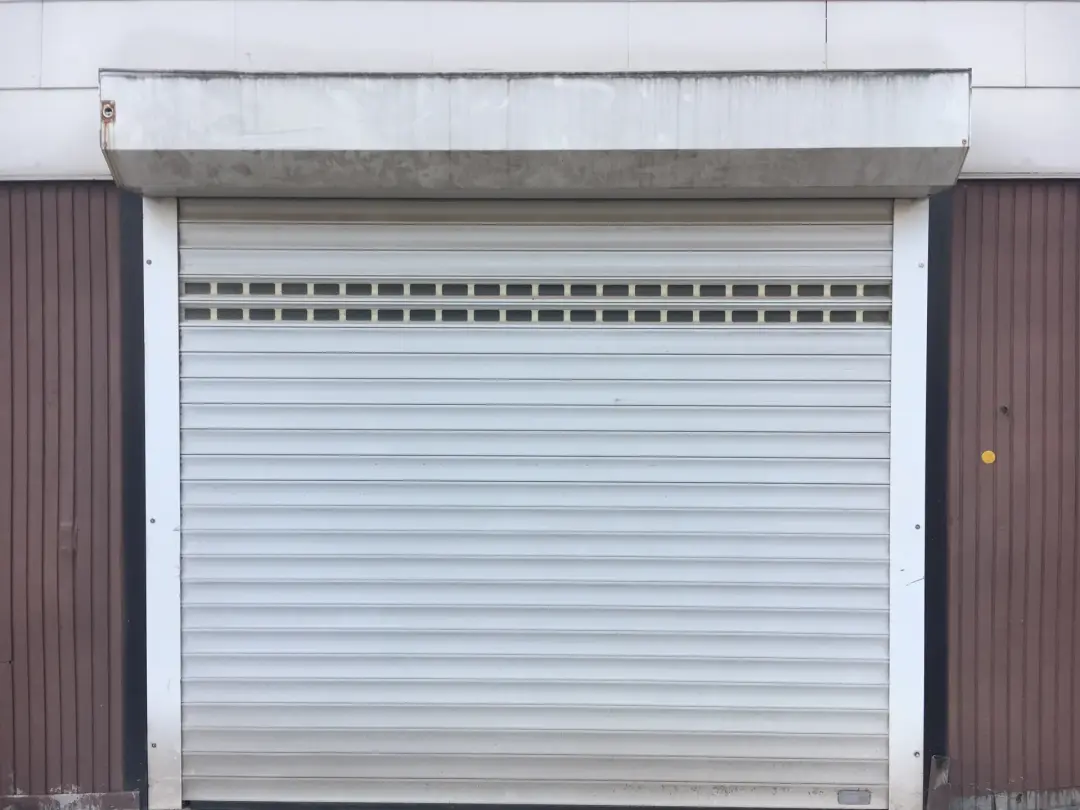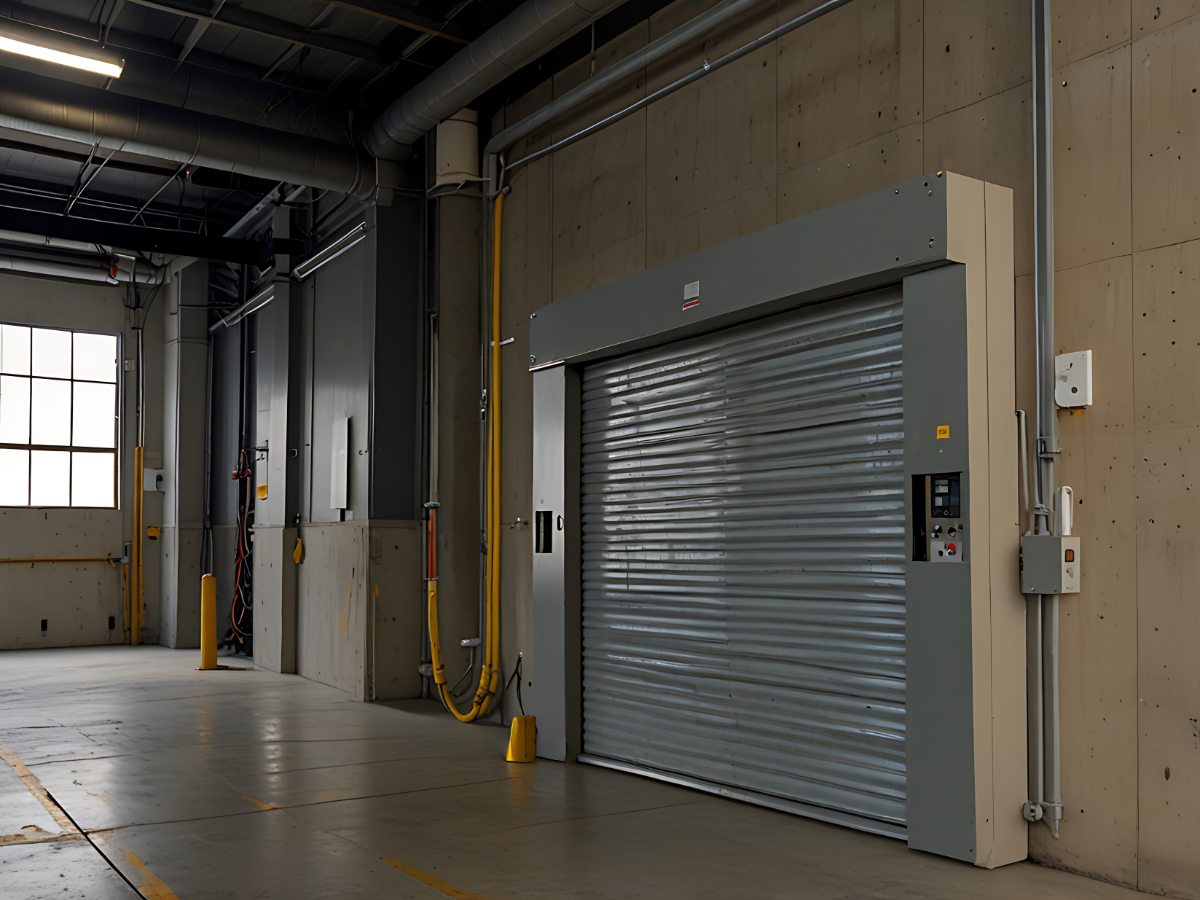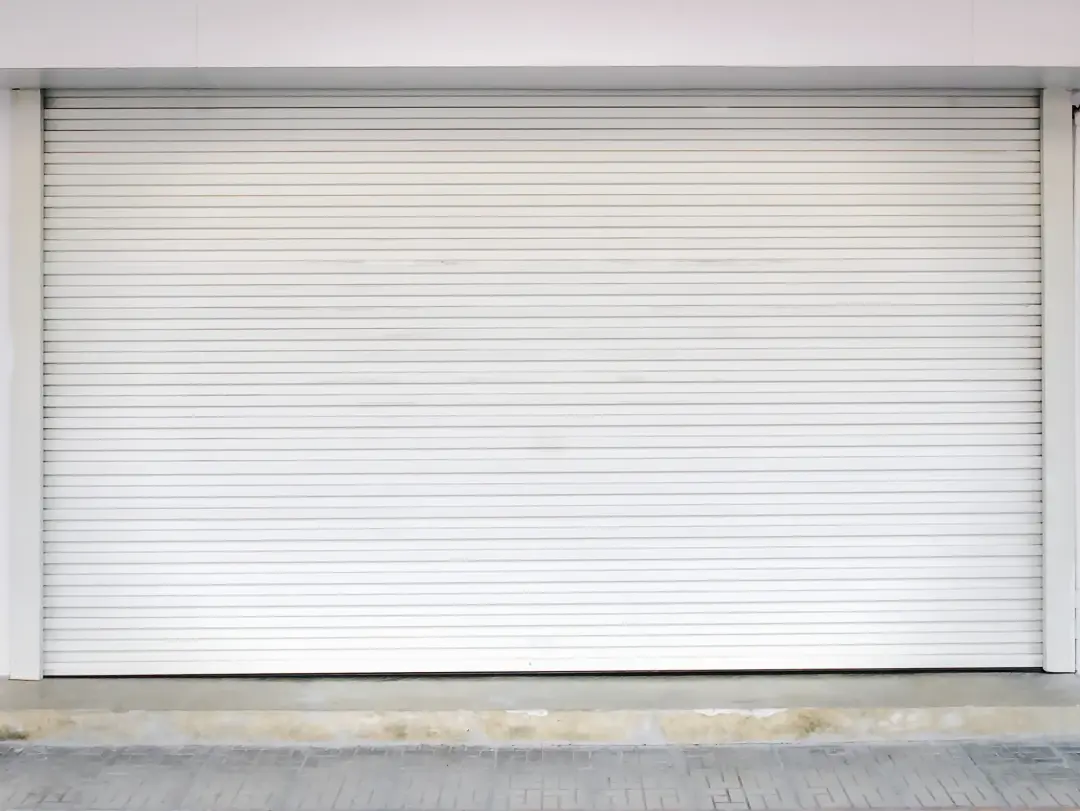
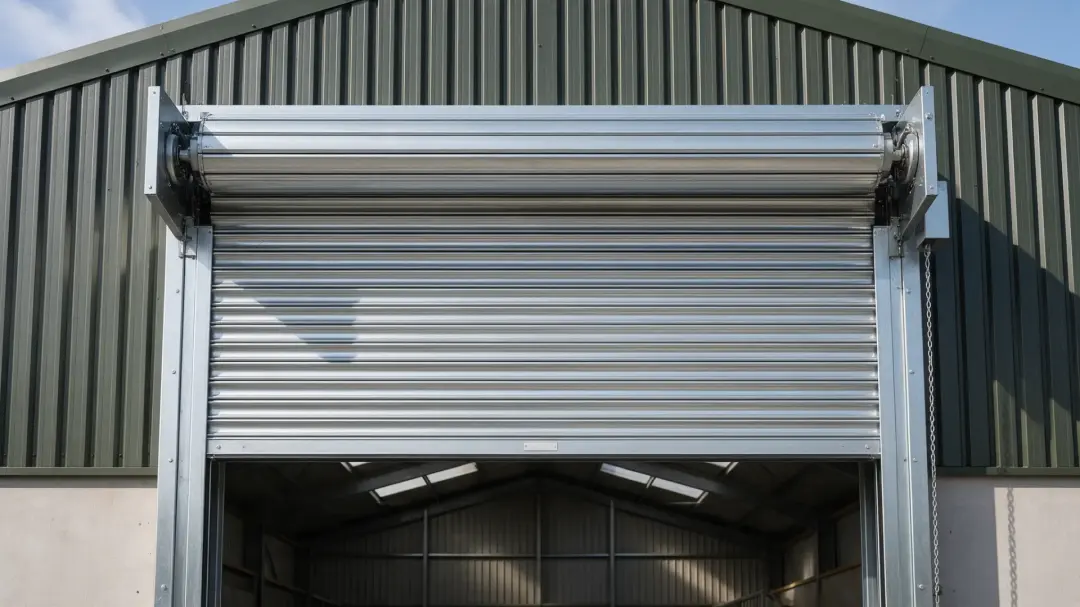
Insulated agricultural doors usually cost more upfront, but they can make a meaningful difference in buildings where temperature control matters.
They may help reduce heat loss, limit draughts and create a more stable environment for livestock, produce or equipment. Whether they are worth the investment depends on the building’s use, the level of insulation elsewhere and how often the doors are opened.
Why Choose Insulated Agricultural Doors?
Ofgem’s 2025 survey found that 27% of businesses with non-domestic energy contracts said they had struggled with bills in some way. That does not establish a fixed payback period for an insulated door, but it is a good reason to measure a building’s heat demand and operating habits before investing. Source for this statistic.
Insulated agricultural doors can be worthwhile for heated, occupied or temperature-sensitive spaces. For an unheated store, the extra cost may bring little benefit. The decision depends on the whole building, how the door seals and how long it stays open in normal use.
Identify the job the building has to do
An insulated door is most likely to add value where a space is heated, occupied for long periods or used for work affected by draughts, temperature swings or moisture. Workshops, packing areas, farm shops, dairy support spaces and staff facilities are different from an unheated implement shed that is opened only occasionally.
Describe the building’s purpose, heating pattern, occupation and sensitive contents. The decision should start with what needs protection or comfort, not with the assumption that insulation is always better.
Understand the meaning and limits of U-values
A U-value describes heat transfer through a defined element under stated conditions. It can help compare products, but it is not a guarantee of annual savings or indoor temperature. The panel alone may perform differently from the complete installed door once frames, joints, glazing, seals and the opening itself are included.
Ask what the quoted figure covers and whether it refers to the installed assembly. Use it alongside information about air leakage, door size and how long the opening remains open.
Look for air leakage around the perimeter
A well-insulated panel cannot overcome a damaged bottom seal, uneven threshold, distorted guide or large gap at the head of the opening. Uncontrolled draughts can affect comfort and heating demand while allowing rain, dust and pests into the building.
Inspect the existing opening before ordering. Repair floor and frame defects where necessary, select appropriate seals and include their condition in routine servicing once the new door is fitted.
Measure how long the entrance stays open
Thermal performance is most useful while the door is closed. A large opening held up while a vehicle waits can exchange a great deal of air regardless of panel construction. The operational question is therefore often about traffic management as much as insulation.
Observe several typical days, including the busiest period. Consider scheduled deliveries, a separate pedestrian door, a lobby, revised vehicle flow or a suitable faster-operating solution where the use justifies it.
Treat condensation as a whole-building issue
Insulation can reduce cold internal surfaces, but condensation also depends on moisture generation, ventilation, external conditions and the temperature of adjacent elements. A door change alone cannot cure a building with poor ventilation or a process that releases large volumes of humid air.
Look for dripping surfaces, mould, corrosion and damp stock, then consider the roof, walls, ventilation and workflow as well as the entrance. Avoid sealing a building more tightly without checking its ventilation needs.
Protect required ventilation
Livestock welfare, process safety and indoor air quality can require planned ventilation even in cold weather. Reducing uncontrolled draughts is different from preventing all air movement. An overly airtight approach can create humidity, odour, condensation or welfare problems that outweigh any heating benefit.
Discuss the door alongside vents, fans, shutters and management procedures. Aim to guide air where it is needed and eliminate avoidable leakage, rather than blocking a designed ventilation route.
Choose finishes that will keep performing
Thermal cores, faces, edges, seals and fixings all need to survive the conditions at the site. Wash-down, damp, dust, impacts and agricultural atmospheres can damage a poorly matched assembly. Small breaches can permit water ingress, degrade seals or create corrosion that gradually affects operation.
Ask which cleaning products are compatible, how repairs should be carried out and which areas need regular inspection. A durable, maintainable door preserves thermal performance better than an initially impressive specification.
Consider people as well as energy
A less draughty work area can make maintenance, packing, administration and retail tasks more comfortable. This can support productivity even when savings are difficult to isolate on a bill. However, comfort is affected by local cold spots, door opening habits, radiant heat and work clothing as well as panel insulation.
Ask regular users where the problem occurs and at what time of day. Their observations may point to a separate entrance, different control position or local heating improvement rather than only a larger insulation upgrade.
Build a realistic financial comparison
No universal payback applies because tariffs, heating systems, building fabric, working hours and opening patterns differ. Savings should not be claimed without site-specific evidence. The comparison should include purchase, installation, servicing, repairs and any related work needed to make the opening seal correctly.
Use meter data and operating records where available. Compare an insulated door with alternatives such as replacement seals, localised heating, better controls or altered traffic practice, then choose the combination that solves the real problem.
Maintain the result over time
Insulation remains useful only while the door closes, aligns and seals as intended. A vehicle strike, worn seal, faulty closer or damaged guide can change performance quickly. Treat a new draught, visible gap or unreliable closing action as a maintenance issue, not merely an inconvenience.
Add seals, guides, controls and safety devices to the inspection plan. Prompt repairs protect thermal performance, reliable access and the safety of the people and vehicles using the building.
Details that affect the result
- Check the floor-to-door connection: A threshold is a thermal, weather and traffic detail at once. An uneven floor can defeat a seal, encourage water ingress and create a route for cold air.
- Separate vehicle and people movement: A large insulated vehicle door need not be used every time a person enters. A properly planned personnel entrance can reduce opening time and protect the larger door from unnecessary cycles.
- Include glazing carefully: Vision panels can improve visibility and daylight, but they are part of the thermal and maintenance calculation. Ask how they affect the stated performance and cleaning requirements.
- Use heating controls sensibly: Improved door performance cannot correct heating setpoints, timers or distribution that do not suit occupancy. Review controls and operating hours before attributing every comfort problem to the door.
- Watch for damage after installation: Forklift contact, dragging loads and harsh cleaning can damage seals and panels. A regular visual check helps preserve the benefits that justified choosing an insulated assembly.
Insulation decision checklist
- Identify whether the space is heated, occupied for long periods or used for temperature-sensitive work.
- Measure the current opening pattern, including peak periods when a large door stays open.
- Inspect existing gaps at the threshold, jambs and head before assuming the panel is the problem.
- Ask whether the quoted U-value applies to the full installed door or only its panel.
- Check whether ventilation is required for livestock welfare, moisture control or process safety.
- Look for condensation, damp stock, corrosion and mould elsewhere in the building envelope.
- Consider a personnel entrance to reduce unnecessary operation of a large vehicle door.
- Review heating timers, setpoints and distribution before attributing comfort problems solely to the door.
- Check that panel faces, seals and fixings suit cleaning, wash-down and local humidity.
- Compare thermal improvements with lower-cost repairs such as seals, controls or threshold work.
- Use site energy and operating records when estimating benefit rather than assuming a universal payback.
- Add seals, alignment and closing performance to the maintenance schedule after installation.
What to do next
Compare the cost of a complete insulated installation with repairs to seals, thresholds and controls. Use the building’s energy records and opening pattern to judge likely benefit, and keep any ventilation needed for people, livestock or processes.
KGC Doors offer bespoke design and installation for agricultural doors in Wolverhampton, Birmingham, Derby and across the Midlands. Discuss the opening and daily use with an experienced installer.