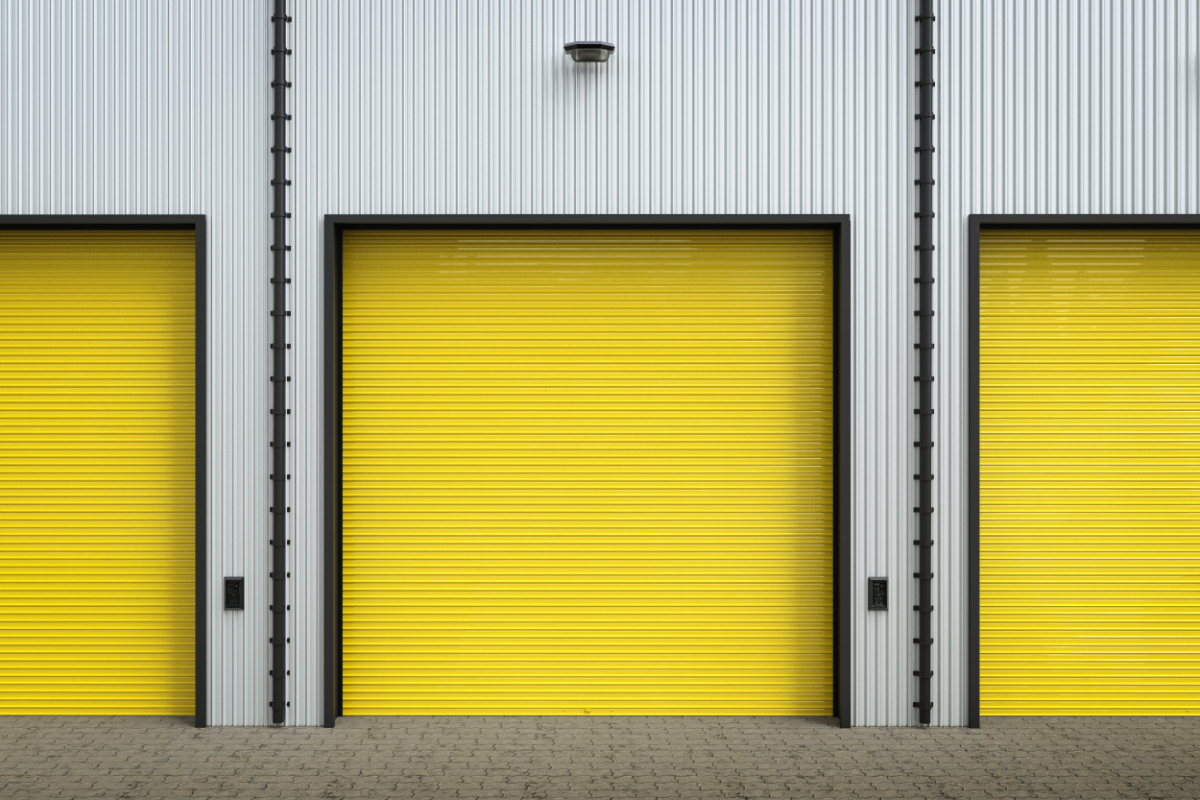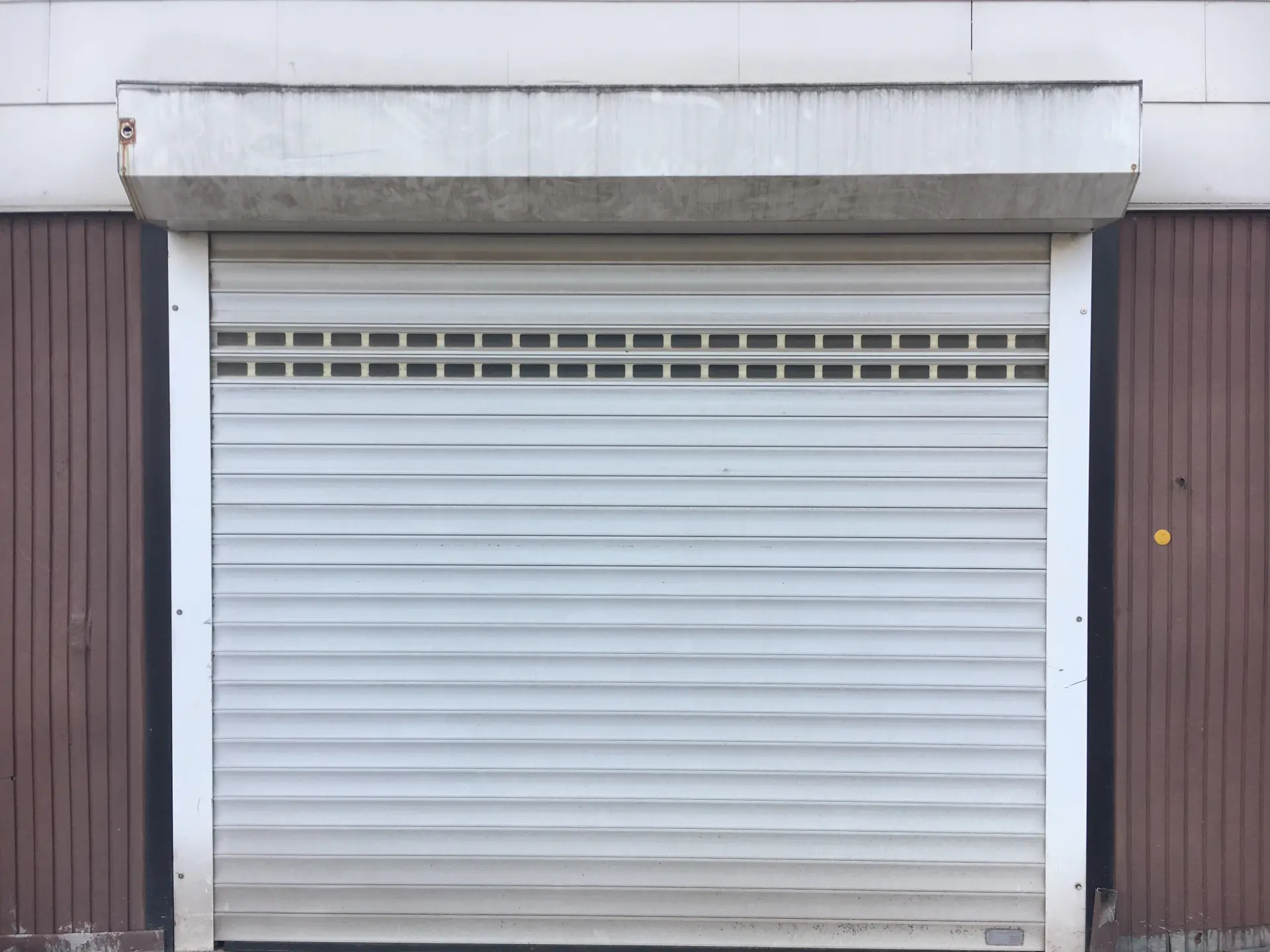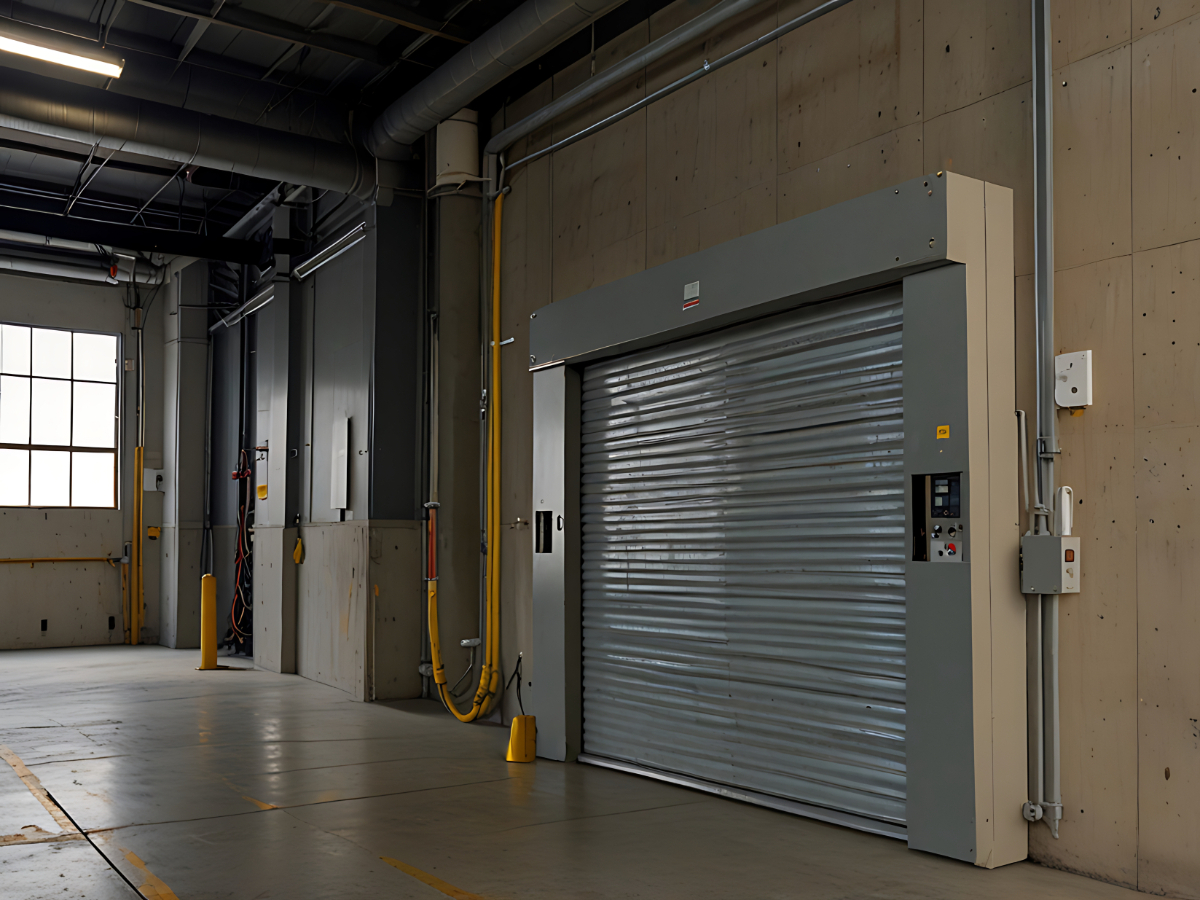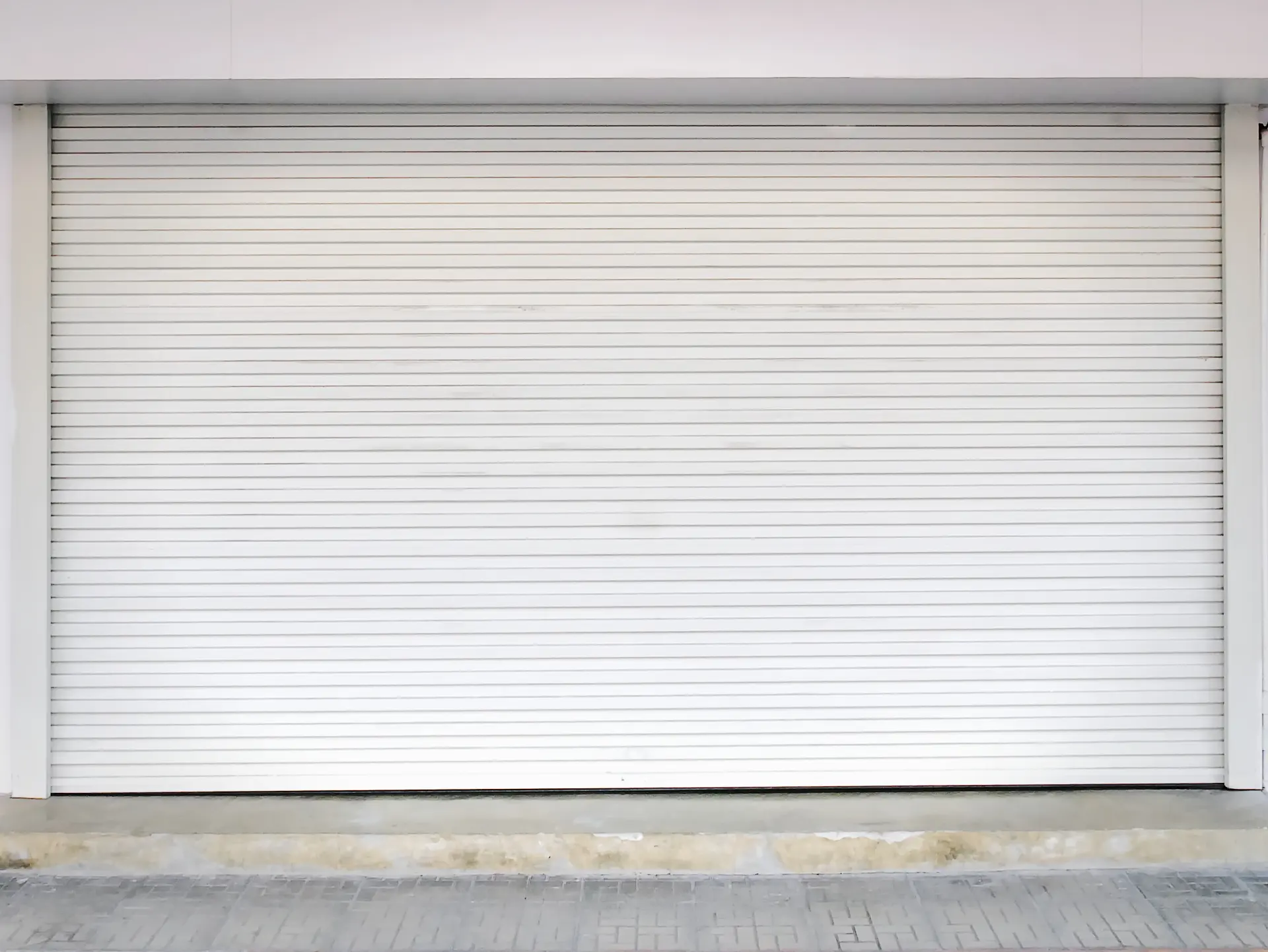
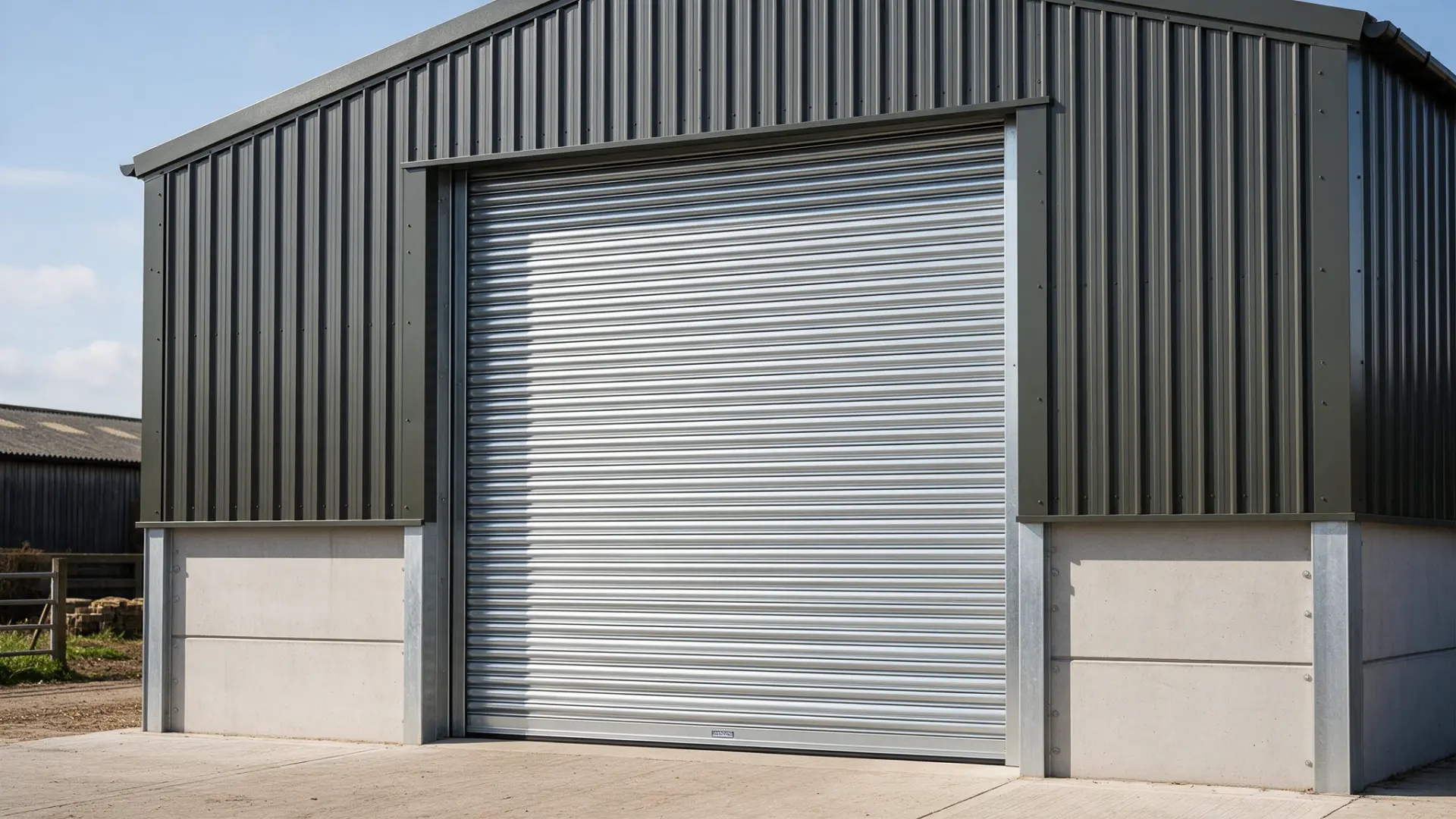
Farm buildings often hold valuable machinery, livestock, feed and supplies, making security a practical concern. Strong agricultural doors can help protect these assets by limiting access, resisting damage and closing gaps that might otherwise leave a building vulnerable. The right choice depends on what the building contains, how often the doors are used and the risks around the site.
Agricultural Doors and Farm Security
NFU Mutual estimates that rural crime cost the UK £41.5 million in 2025. Its claims estimates put agricultural-vehicle theft at £8.3 million and quad and ATV theft at £3.5 million. Those figures do not count every offence, but they explain why access to sheds, workshops and stores needs deliberate protection. Source for this statistic.
A secure farm door delays entry, protects valuable equipment and makes access easier to control. The best result comes from choosing the right complete door assembly for each building, then backing it with key control, lighting and a closing routine that people actually follow.
Start with an asset-and-risk map
A security plan is stronger when it reflects what is actually stored behind each door: tractors, GPS displays, tools, batteries, feed, chemicals, records and portable equipment. The main question is not only what an item costs, but how quickly its loss would stop work, create a safety issue or force a replacement at short notice.
List high-value and high-disruption items, photograph serial numbers and keep portable goods away from the entrance where practical. A door then protects a planned internal layout rather than a convenient loading pile.
Select a door for the opening and the threat
A broad machinery entrance, a small workshop doorway and a livestock store do not face the same access or security challenge. Roller shutters, steel personnel doors, sectional doors and sliding arrangements have different strengths. The visible curtain or leaf is only one part of the barrier. Fixings, guides, frame, bottom rail, locks, release mechanisms and control boxes all need to be considered together.
Ask for the whole assembly and the supporting structure to be surveyed. A robust-looking shutter will not compensate for weak fixings or a control that can be reached and defeated from outside.
Make forced entry slow and conspicuous
Effective physical security is usually about delay, noise and visibility rather than an unrealistic promise that entry is impossible. Time gives an alarm, camera, neighbour or passing worker a better chance of being useful. A door should close fully, resist casual lifting or prising and avoid leaving vulnerable gaps at the threshold or sides.
Choose locking and access-control arrangements that suit the risk, protect external releases and repair collision damage promptly. A bent guide or damaged bottom rail can turn a secure opening into one that cannot be shut.
Control keys, remotes and codes
A copied key, a shared remote or an old contractor code can defeat an expensive door without any visible attack. Access credentials therefore need the same attention as the physical lock. Farm businesses often involve family, seasonal workers, suppliers and contractors, so informal access can quietly expand over time.
Keep an access register, remove permissions when they are no longer needed and avoid leaving keys in machines near the building. Where codes are used, change them after staffing changes or a suspected compromise.
Use lighting and surveillance intelligently
Cameras and lighting are most useful when they support a clear view of a door, its lock area and the route away from the building. Poorly placed equipment can create a false sense of security. Tall vegetation, stacked materials, trailers and glare can all make it difficult to see tampering or identify a vehicle at night.
Walk the site after dark, check what a camera actually records and keep the area around the doorway clear. Lighting should aid legitimate drivers without creating deep shadows or dazzling them.
Protect the approach as well as the door
A thief who can reverse a vehicle directly to a shed has less time exposed and can remove heavy equipment quickly. Conversely, a poorly planned approach can also cause legitimate vehicle strikes. Gates, barriers, parking arrangements and natural surveillance can influence both the speed of unauthorised access and the likelihood of accidental damage.
Keep the threshold free of stock and mud, make the traffic route obvious and consider bollards or protective measures where vehicles regularly pass close to guides and controls.
Create a closing routine people will follow
Many security failures are operational: a door is left partly open for a delivery, a key remains in a control or the last person assumes somebody else has locked up. A routine has to be simple enough to survive busy periods, poor weather and changes in who is on site.
Use an end-of-day checklist covering doors, keys, alarms, portable equipment and fault reporting. Give one person final responsibility, while making sure every user knows what an unsecured opening looks like.
Integrate alarms without relying on them alone
An alarm can signal a problem, but it does not provide the physical resistance that slows entry or keeps a building closed after an impact. The two controls work best together. The response plan matters as much as the device: an alert that nobody receives, understands or can safely act on provides limited reassurance.
Test notifications, maintain backup arrangements where needed and decide who is contacted out of hours. Position alarm components and visible wiring so they are not easily accessible from outside.
Allow safe authorised access
Security should not encourage staff to wedge open a vehicle entrance, climb around it or share credentials unnecessarily. Those workarounds can create both theft and injury risks. Delivery drivers and contractors also need a clear process so the building is not left open while someone searches for the right person.
A separate personnel entrance, defined pedestrian route and delivery instructions can reduce pressure on the main door. Powered doors should retain appropriate safety devices and be used only as instructed.
Maintain security as the site changes
A door selected for a quiet equipment store may be unsuitable after the building becomes a workshop, a collection point or a home for more valuable machinery. Security is not a one-time installation decision. Incidents, attempted thefts, new equipment and changes in traffic all provide evidence about where the weak point really is.
Review the arrangement annually and after any event. Service locks, guides, safety devices and controls, then invest in the weakest step in the route rather than adding unrelated measures.
Security details worth checking
- Manage high-value portable equipment: Treat GPS displays, tools, battery-powered items and removable accessories as a separate risk from the door itself. Mark property, store it away from the opening and do not leave it visible through a partially open entrance.
- Plan for deliveries and collections: Agree where visitors wait, who opens the door and how the building is re-secured after access. Delivery pressure is a common reason for doors being left open longer than intended.
- Respond after an attempted theft: Preserve useful information, report the incident and inspect locks, guides, controls and the surrounding route before returning to normal operation. An attempt often reveals a weakness that can be corrected.
- Avoid creating a single point of failure: If one large door is the only way to enter a vital building, an impact or fault can stop work as effectively as a break-in. Consider safe alternative access and a prompt repair route.
- Make security visible but proportionate: Clear signage, maintained gates and a tidy entrance can signal active management. The aim is not to make a farm unwelcoming, but to remove easy opportunities and confusion about access.
Farm-security operational checklist
- Confirm which buildings contain high-value or business-critical assets and prioritise them accordingly.
- Record serial numbers, photographs and ownership details for machinery and removable equipment.
- Check that locks, guides, bottom rails and frames have not been damaged by vehicle contact.
- Remove keys, remotes and portable GPS equipment from unattended machines and accessible rooms.
- Review who has keys, fobs or codes after staffing, tenancy or contractor changes.
- Test whether cameras capture faces, vehicle registrations and the lock area in darkness.
- Trim vegetation and move stored materials that conceal approaches to doors and gates.
- Agree a delivery and collection procedure that avoids leaving a building open unattended.
- Check whether lighting improves visibility without creating glare for drivers or neighbours.
- Inspect alarm notifications and identify who will receive and act on an alert after hours.
- Review the site after an attempted theft and correct the route or weak point identified.
- Keep service and incident records so recurring faults can be distinguished from one-off damage.
What to do next
Start with the buildings that hold the most valuable or business-critical equipment. Walk the approach, inspect the current door and check who can enter. That gives an installer a clear brief for a door that improves security without obstructing daily farm work.
KGC Doors offer bespoke design and installation for agricultural doors in Wolverhampton, Birmingham, Derby and across the Midlands. Discuss the opening and daily use with an experienced installer.